
Designing the Ideal Wedding Reception Timeline
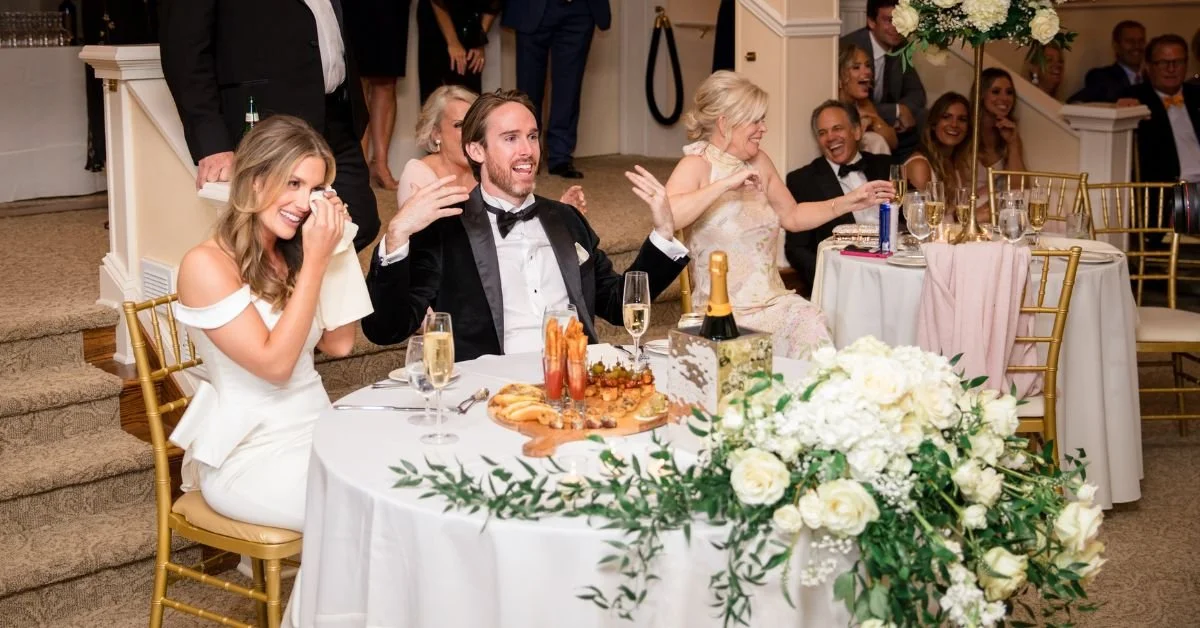
A wedding reception is more than just a celebration; it’s a carefully orchestrated experience that brings together emotion, tradition, and joy. While the ceremony marks the beginning of a couple’s new chapter, the reception is where the story unfolds in a lively and memorable way. Creating an ideal wedding reception timeline ensures that everything runs smoothly, guests stay engaged, and the couple can truly enjoy every moment without feeling rushed or overwhelmed.
A thoughtful timeline doesn’t just keep things organized; it shapes the atmosphere of the entire evening. From the grand entrance to the final dance, each segment should feel intentional and well-paced. Understanding how to structure this timeline is key to turning a beautiful event into an unforgettable one.
Setting the Foundation for Your Reception Timeline
The first step in designing a successful reception timeline is understanding the overall flow of your event. Most receptions last between four and six hours, and within that timeframe, multiple key moments need to take place. These typically include cocktail hour, dinner, speeches, dances, and open dancing.
The tone of your wedding plays a significant role in shaping the schedule. A formal evening reception may follow a more traditional structure, while a casual or modern celebration may allow for flexibility and creativity. The venue also influences timing, as some locations have strict end times or specific rules about noise and lighting.
Working backward from your desired end time can help you determine when each portion of the evening should begin. This approach ensures that no important moment is squeezed in at the last minute or rushed through.
Creating a Seamless Transition from Ceremony to Reception
One of the most important aspects of your timeline is the transition between the ceremony and the reception. This is often handled through a cocktail hour, which provides guests with a comfortable and enjoyable way to move from one part of the day to the next.
During this time, guests can mingle, enjoy drinks, and relax while the couple takes photos or prepares for the reception entrance. A well-planned cocktail hour typically lasts about an hour, giving enough time for guests to settle in without feeling bored.
To enhance this transition, consider adding light entertainment such as live music or interactive food stations. These elements help maintain energy and set the tone for the rest of the evening.
Planning the Grand Entrance and First Impressions
The grand entrance marks the official start of the reception and sets the mood for the night. Whether you choose a high-energy introduction with music and announcements or a more understated arrival, this moment should feel exciting and intentional.
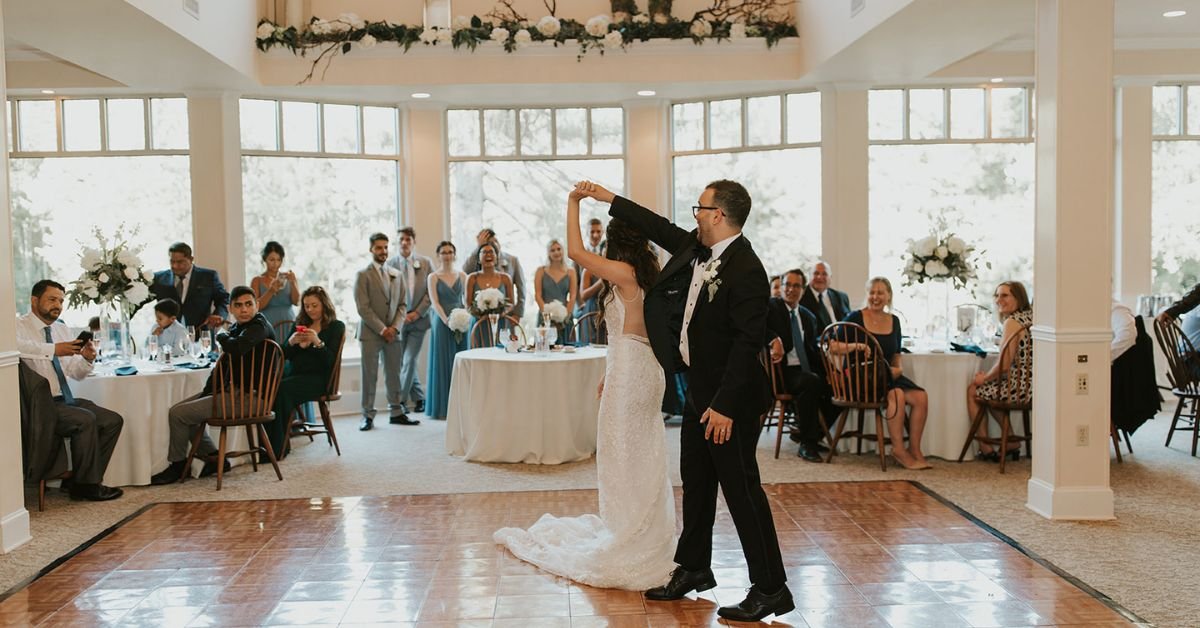
Immediately following the entrance, many couples choose to go into their first dance. This creates a natural focal point and draws guests’ attention to the couple. It also helps establish a rhythm for the evening, transitioning smoothly into the next segment.
Timing is crucial here. Allow enough space for guests to gather and settle before the entrance begins, ensuring that everyone is present to witness this special moment.

Structuring Dinner for Comfort and Flow
Dinner is one of the most anticipated parts of any reception, and timing it correctly is essential. Guests should feel relaxed and comfortable, not rushed through their meal.
At an all-inclusive venue like The Lodge at MSL, on-site food service ensures that service is coordinated with your timeline. From plated dinners to buffet-style options, everything is designed to move smoothly and efficiently.
Allowing approximately 60 to 90 minutes for dinner gives guests time to enjoy their meal while leaving room for conversation and connection. This portion of the evening should feel like a natural pause before the celebration continues.
Incorporating Speeches and Special Moments
Speeches and toasts are meaningful highlights of the reception, offering a chance for loved ones to share stories and celebrate the couple. However, timing these moments effectively is essential to keeping the event flowing smoothly.
Placing speeches during dinner allows guests to remain seated and attentive. It also prevents interruptions during the dance portion of the evening. Limiting the number of speakers and keeping each speech concise helps maintain energy and avoids fatigue.
In addition to speeches, other special moments such as cake cutting, bouquet toss, or cultural traditions should be thoughtfully integrated into the timeline. These events should feel like natural extensions of the celebration rather than abrupt interruptions.
Opening the Dance Floor and Building Energy
Once dinner and formalities are complete, the focus shifts to dancing and celebration. Opening the dance floor at the right time is key to maintaining momentum and encouraging participation.
Many couples choose to begin with parent dances, such as the father-daughter and mother-son dances, followed by an invitation for all guests to join in. This creates a gradual build-up of energy and makes the transition feel organic.
A skilled DJ or band plays a crucial role in keeping the dance floor lively. By reading the crowd and adjusting the music accordingly, they can sustain excitement and ensure that guests remain engaged throughout the evening.
Timing the Cake Cutting and Late-Night Highlights
The cake cutting is often one of the most anticipated moments of the reception, and scheduling it at the right time ensures that guests are still present and attentive. Many couples choose to cut the cake shortly after opening the dance floor, using it as a brief pause before continuing the celebration.
Late-night elements such as snack stations, outfit changes, or surprise performances can add an extra layer of excitement. These moments should be timed strategically to re-energize guests and keep the atmosphere lively.
Balancing these highlights with uninterrupted dance time is important. Too many interruptions can disrupt the flow, while well-placed surprises can enhance the overall experience.
Planning the Final Moments of the Evening
The closing moments of the reception should feel just as intentional as the opening. A planned send-off, such as a sparkler exit or last dance, creates a memorable conclusion and gives guests a clear signal that the celebration is coming to an end.
The last dance can be an emotional and intimate moment, allowing the couple to reflect on the day before saying goodbye to their guests. Alternatively, a high-energy finale can leave everyone on a celebratory note.
Coordinating transportation and ensuring that guests have a smooth departure experience is also an important part of the timeline. Clear communication helps avoid confusion and ensures that the evening ends on a positive note.
Allowing Flexibility Within the Timeline
While structure is essential, flexibility is equally important. Weddings are dynamic events, and unexpected delays or changes can occur. Building small buffers into your timeline allows you to adapt without feeling stressed.
Working closely with your planner, coordinator, or vendors helps ensure that everyone is aligned and prepared to adjust as needed. Clear communication and realistic expectations make it easier to handle any surprises that arise.
A well-designed timeline should guide the event rather than control it. By allowing room for spontaneity, you create an environment where genuine moments can unfold naturally.
Bringing It All Together
Designing the ideal wedding reception timeline is about more than just scheduling events. It’s about creating a seamless and enjoyable experience that reflects your personality as a couple while keeping guests engaged from start to finish.
Every element, from the first toast to the final dance, contributes to the overall flow of the evening. By thoughtfully planning each segment and considering how they connect, you can ensure that your reception feels cohesive and memorable.
Ultimately, the best timeline is one that allows you to be fully present. When the details are carefully arranged, you can focus on celebrating with your loved ones and creating lasting memories that will be cherished for years to come.