
How Catering Shapes Your Wedding Experience
A wedding is made up of hundreds of individual details, but guests tend to remember the moments that made them feel welcomed, comfortable, and included. The meal plays an important role in creating those moments. From the first cocktail-hour appetizer to the final slice of cake, catering influences the rhythm of the celebration and helps establish the atmosphere you want guests to experience.
Understanding how catering shapes your wedding experience can make it easier to see catering as more than simply choosing what everyone will eat. The menu, service style, timing, presentation, and hospitality surrounding the meal all contribute to the larger celebration. Thoughtful catering can keep the evening moving naturally while giving guests opportunities to relax, connect, and enjoy themselves.
Setting the Tone From the Beginning
Food and drinks often become part of the guest experience shortly after the ceremony ends. Cocktail hour creates an important transition between the formal portion of the wedding and the reception, giving everyone time to mingle while the wedding party takes photographs or prepares for the next part of the event.
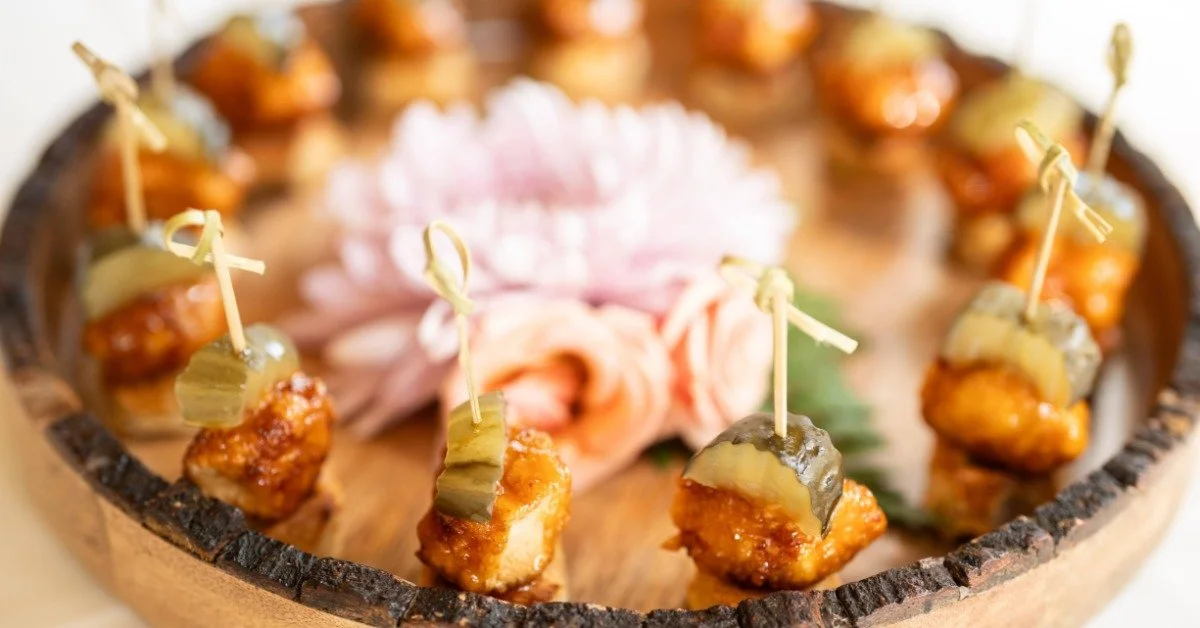
The choices made during this period can immediately communicate the tone of the reception. Passed hors d'oeuvres and specialty cocktails may create an elegant atmosphere, while interactive stations can make the experience feel casual and social. Even relatively simple refreshments can feel special when they are presented thoughtfully and served efficiently.
Good catering helps guests settle comfortably into the celebration. Instead of wondering when they will eat or where they should go next, guests can simply enjoy the experience as it unfolds.
Turning the Menu Into Part of Your Story
Wedding menus do not have to follow a standard formula. Couples can use food to reflect their backgrounds, personalities, favorite experiences, or traditions. A dish inspired by a memorable vacation, a family recipe adapted for a large reception, or a dessert connected to a hometown can give the menu personal meaning.
This approach makes wedding food another opportunity to tell your story. Even subtle choices can make the meal feel more connected to the couple rather than like a generic event menu.
Personalization does not necessarily mean making every dish unusual. Familiar foods can still feel meaningful through ingredients, preparation methods, presentation, or small connections to the couple's lives. The goal is to create a menu that belongs naturally within the larger wedding rather than treating dinner as a completely separate part of the day.
Creating a Comfortable Experience for Guests
Hospitality is at the heart of a successful reception. Guests may have traveled long distances, spent hours getting ready, attended the ceremony, and waited through photographs before dinner begins. By the time they sit down to eat, comfort matters.
An experienced catering team considers much more than what appears on the plate. They think about serving times, dietary restrictions, portion sizes, table service, beverage availability, and the overall flow of the dining experience.
Accommodating dietary needs is particularly important. Vegetarian, vegan, gluten-free, allergy-conscious, and other appropriate options help guests participate fully in the meal without feeling overlooked. Clear communication between the couple, caterer, venue, and guests can prevent confusion and make the reception more welcoming.
When people feel cared for, they are better able to focus on celebrating with the couple.
Influencing the Flow of the Reception
Timing has a major impact on how a wedding reception feels. Dinner must fit among introductions, speeches, first dances, cake cutting, entertainment, and other traditions. If meal service takes much longer than anticipated, the rest of the evening may feel rushed. If food arrives too quickly, guests may not have enough time to socialize and enjoy each course.
Catering professionals coordinate with planners, venue staff, DJs, photographers, and other vendors to keep these transitions smooth. The meal becomes part of the event's pacing rather than an interruption.
Different service styles also affect that pacing. A plated dinner creates natural structure because guests remain seated while courses are served. Buffets encourage movement and may produce a more relaxed atmosphere. Family-style meals encourage conversation at individual tables, while food stations allow guests to move through the room and interact with different groups.
There is no single format that works for every wedding. The best choice is the one that complements the atmosphere and schedule the couple wants to create.
Encouraging Conversation and Connection
Meals naturally bring people together, which is especially valuable at weddings where guests may come from different parts of a couple's life. Relatives, childhood friends, coworkers, neighbors, and new family members often meet for the first time at the reception.
The dining portion of the evening provides a built-in opportunity for those connections to develop. Guests have time to talk without competing with loud music or moving between activities. Sharing a meal can help a room full of separate social groups begin to feel like one celebration.
Certain catering formats can encourage even more interaction. Shared dishes, stations, cocktail-style receptions, and communal tables can create casual opportunities for conversation. Even traditional plated dinners provide a comfortable setting for guests to get acquainted before the dance floor becomes the center of attention.
Adding to the Visual Atmosphere
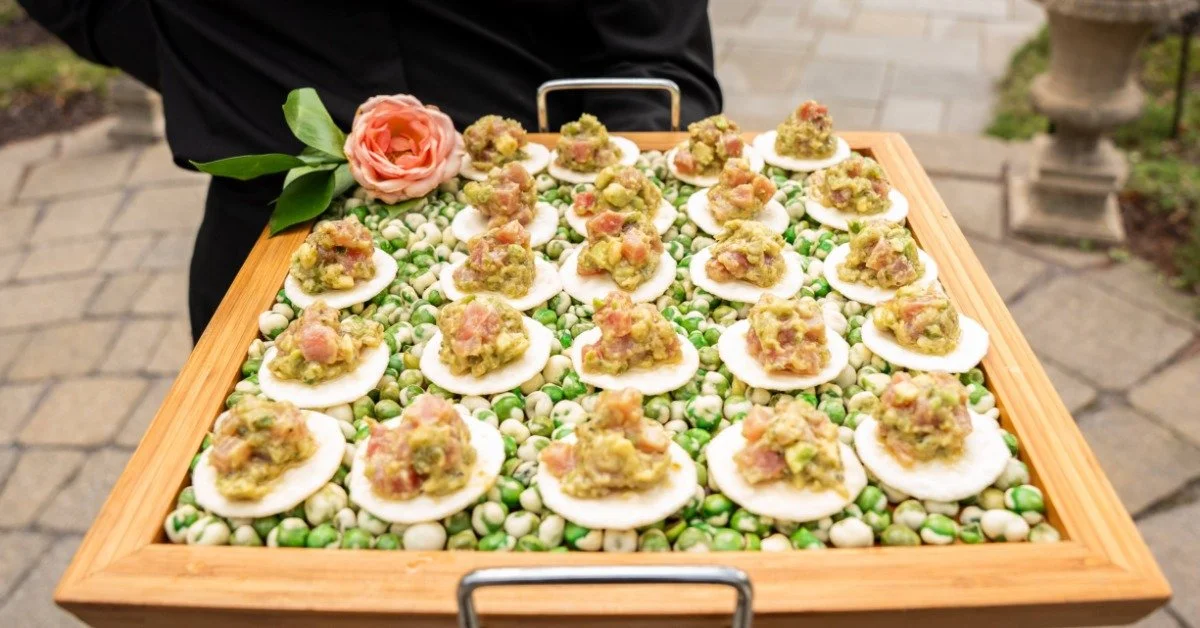
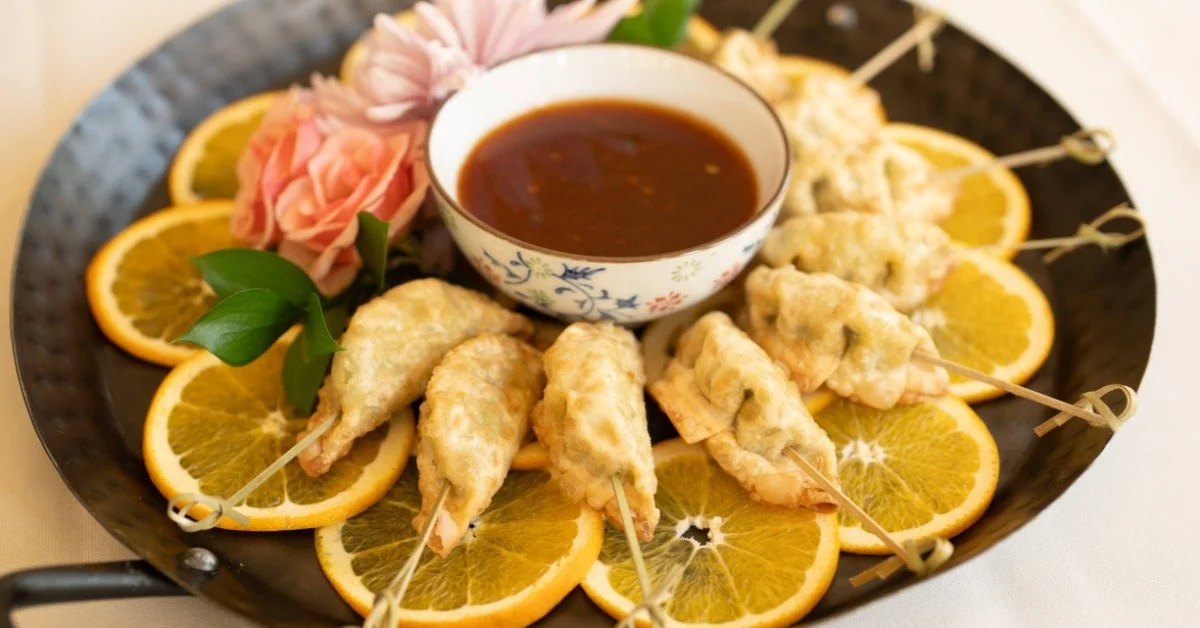
Presentation contributes to the overall look of a wedding. Couples often spend considerable time choosing flowers, linens, place settings, lighting, and centerpieces, and food presentation can complement those decisions.
Serving dishes, glassware, trays, garnishes, buffet arrangements, and dessert displays all become visual elements within the reception. A caterer who understands the wedding's aesthetic can make these details feel cohesive rather than disconnected.
Presentation does not need to be elaborate to have an impact. Simple dishes arranged carefully can look polished and inviting. What matters is consistency between the food, service, venue, and overall style of the celebration.
Bringing the Entire Celebration Together
Catering touches many parts of a wedding reception at once. It influences timing, hospitality, atmosphere, aesthetics, conversation, and guest comfort. Because of that, choosing a caterer and planning the menu deserve consideration alongside other major elements of the event.
Thinking about the ways catering shapes your overall wedding experience can help couples make choices based on more than individual dishes. The strongest catering plans support the kind of celebration the couple wants to create, whether that means an elegant formal dinner, a relaxed outdoor gathering, a lively cocktail reception, or something entirely personal.
Ultimately, the meal is not simply a break between wedding activities. It is one of the experiences guests share together. When food, service, presentation, and timing work in harmony, catering can help transform a reception into a celebration that feels welcoming, personal, and memorable from beginning to end.
For couples considering The Lodge at Mountain Springs Lake Resort, on-site catering is woven into the venue's broader all-inclusive approach. The culinary team, wedding coordinators, service staff, and venue work together to support one celebration at a time.