
Planning an Evening Ceremony: Everything You Need to Know
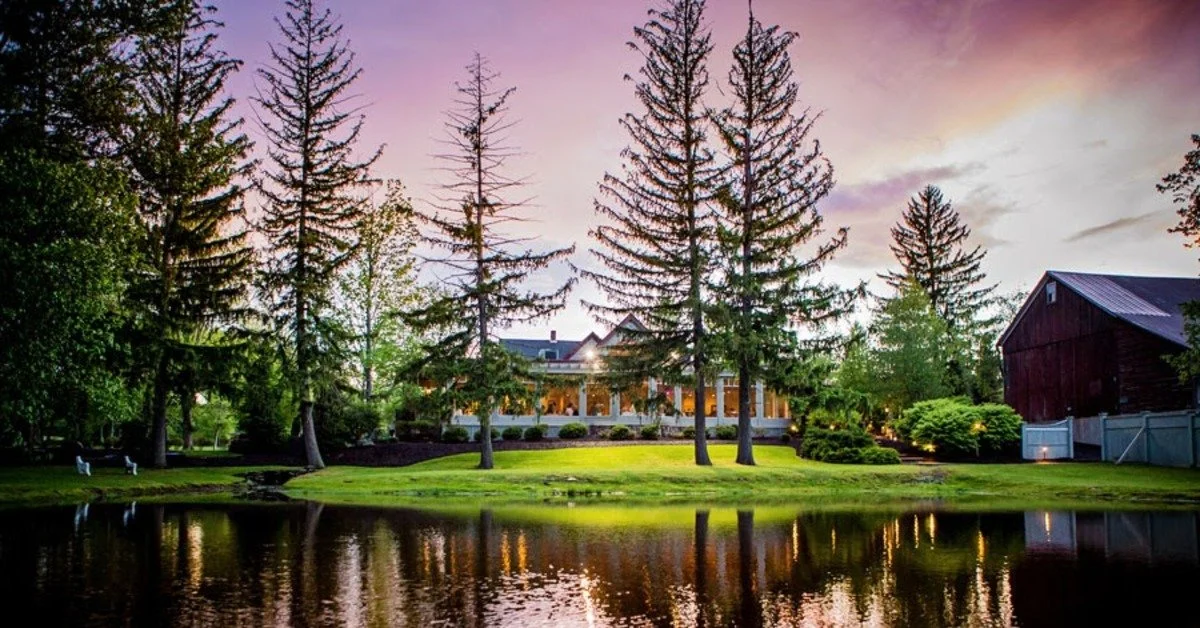
An evening wedding ceremony has a distinct atmosphere. As daylight softens and the celebration moves naturally toward dinner and dancing, couples can create a wedding day that feels romantic, relaxed, and beautifully connected from one moment to the next.
However, starting later in the day also changes the traditional wedding timeline. Photography, lighting, guest arrival, dinner, and the transition into the reception all deserve careful consideration.
For couples drawn to a later start, everything you need to know about planning an evening ceremony begins with understanding how the ceremony time influences the rest of the celebration. With thoughtful scheduling and the support of an experienced venue, an evening wedding can unfold comfortably without feeling rushed.
Why Choose an Evening Wedding Ceremony?
Evening ceremonies can create an intimate, elegant mood from the moment guests arrive. Instead of beginning the celebration in bright midday light, couples may have the opportunity to exchange vows as the afternoon gives way to evening.
A later ceremony can also create a natural progression into the reception. Guests attend the ceremony and then move toward cocktails, dinner, and dancing without a lengthy gap separating the major parts of the wedding.
Build the Timeline Around Your Ceremony
The ceremony may only take up one portion of the wedding day, but its starting time affects nearly everything around it. Couples should work backward from the ceremony to determine when they need to get ready, take photographs, and complete any final preparations.
They should also work forward from the ceremony to consider the reception. Cocktail time, dinner service, speeches, cake, and dancing all need enough room in the schedule to feel enjoyable rather than compressed.
This is where assistance with wedding logistics can be particularly helpful. A venue familiar with hosting ceremonies and receptions can help couples understand how different parts of the celebration fit together and where additional time may be beneficial.
Consider When You Will Take Wedding Photos
Photography requires extra planning when the ceremony is scheduled later in the day. Depending on the season and ceremony time, couples may have limited natural light remaining after they exchange vows.
One option is to take some portraits before the ceremony. A first look can give the couple time together before guests arrive while also allowing the photographer to complete some couple and wedding-party portraits earlier.
Couples who prefer to see one another for the first time at the ceremony can plan accordingly with their photographer. The important thing is to discuss the ceremony time, desired photos, and available daylight well before the wedding.

Think About Seasonal Changes in Daylight
An evening ceremony in June can look very different from one in October. Sunset times shift throughout the year, so a ceremony time that provides abundant daylight during summer may occur close to or after sunset later in the wedding season.
Couples should consider their wedding date when deciding exactly what “evening” means for their ceremony. The goal is not necessarily to hold the ceremony at sunset, but to understand how natural light will affect the atmosphere and photography.
Seasonal conditions can influence the overall experience as well. Thinking about temperature, daylight, and the transition into nighttime helps couples create a timeline suited to their particular date rather than relying on a generic wedding schedule.
Create a Comfortable Guest Experience
While couples spend much of the day preparing behind the scenes, guests experience the wedding from arrival onward. Their comfort should therefore be part of the evening ceremony plan.
Invitations and wedding information should clearly communicate the ceremony start time so guests know when they are expected to arrive. Couples can also consider how guests will move from the ceremony into the next portion of the celebration.
Hosting the major events at one venue can simplify this experience. Instead of asking guests to leave after the ceremony and navigate to another location, couples can create a more seamless transition into the reception.
Let the Ceremony Flow Naturally Into the Reception
One of the strongest advantages of an evening ceremony is its connection to the festivities that follow. Once the vows are complete, the mood can shift naturally toward celebrating with friends and family. Choosing a wedding ceremony and reception venue where both parts of the day can take place helps support that flow.
That continuity can also make the day feel more relaxed. Instead of thinking about transportation between two separate locations, couples can focus on moving from the significance of the ceremony into the excitement of the reception.
Use Evening Lighting to Set the Mood
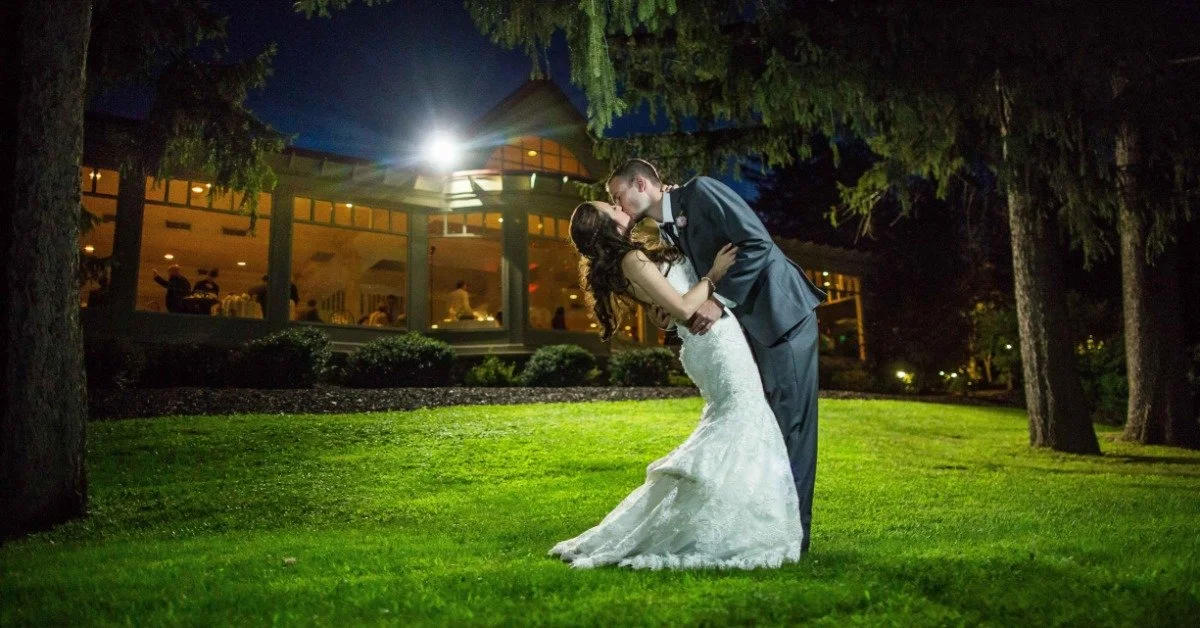
Lighting becomes especially important as natural daylight fades. Couples planning an evening ceremony should think about how the atmosphere will change throughout the event, particularly if part of the celebration begins before sunset and continues well after dark.
The shift in light can become part of the wedding’s visual story. A ceremony held in softer late-day conditions can transition into an evening reception with a warmer, more intimate feeling.
Couples should also talk with their photographer and venue team about how lighting may affect important moments. Planning ahead ensures that the transition from daylight to nighttime complements the celebration rather than creating an unexpected challenge.
Leave Enough Time to Enjoy the Reception
It can be tempting to push an evening ceremony later simply because the celebration is intended to continue into the night. However, couples should make sure the schedule still leaves enough time for the reception they envision.
Dinner, speeches, cake, and dancing each take time. If the ceremony begins too late, couples may find themselves moving quickly through moments they had hoped to enjoy.
An effective timeline balances the appeal of an evening ceremony with enough reception time afterward. Rather than choosing a ceremony hour in isolation, couples should view the entire wedding as a connected sequence of events.
Plan an Evening Ceremony That Feels Effortless
What to know when planning your wedding ceremony for the evening comes down to creating harmony between timing, atmosphere, guest comfort, photography, and the reception that follows. Each choice should support the kind of celebration the couple wants to experience.
The Lodge at Mountain Springs Lake Resort offers couples a Poconos setting where the ceremony, catering, reception, and many essential wedding details can come together in one place. With logistical assistance and an all-inclusive approach, couples can spend less time coordinating separate venue essentials and more time focusing on the personal details of their wedding.
An evening ceremony can be a beautiful beginning to a memorable night. With a thoughtful timeline and the right support, the transition from vows to dinner, cake, and dancing can feel like one seamless celebration.